[et_pb_heading title=”Discover Premium Data Center Colocation Services in Switzerland for Secure and Scalable IT Hosting” _builder_version=”4.9.7″ _module_preset=”default” title_level=”h2″ hover_enabled=”0″ sticky_enabled=”0″][/et_pb_heading]
In the digital age, businesses increasingly rely on robust IT infrastructure to support their operations. Colocation services offer a strategic solution, allowing companies to house their servers and networking equipment in secure, professionally managed data centers. This article delves into the premium colocation services available in Switzerland, highlighting their benefits, security measures, and the unique offerings of providers like Deltalis. Readers will learn about the operational mechanisms of colocation, the importance of security and compliance, and how hybrid cloud integration enhances these services. Additionally, we will explore pricing models, sustainability practices, and real-world success stories that showcase the effectiveness of Swiss colocation services.
[et_pb_heading title=”What Are Data Center Colocation Services and How Do They Work in Switzerland?” _builder_version=”4.9.7″ _module_preset=”default” title_level=”h2″ hover_enabled=”0″ sticky_enabled=”0″][/et_pb_heading]
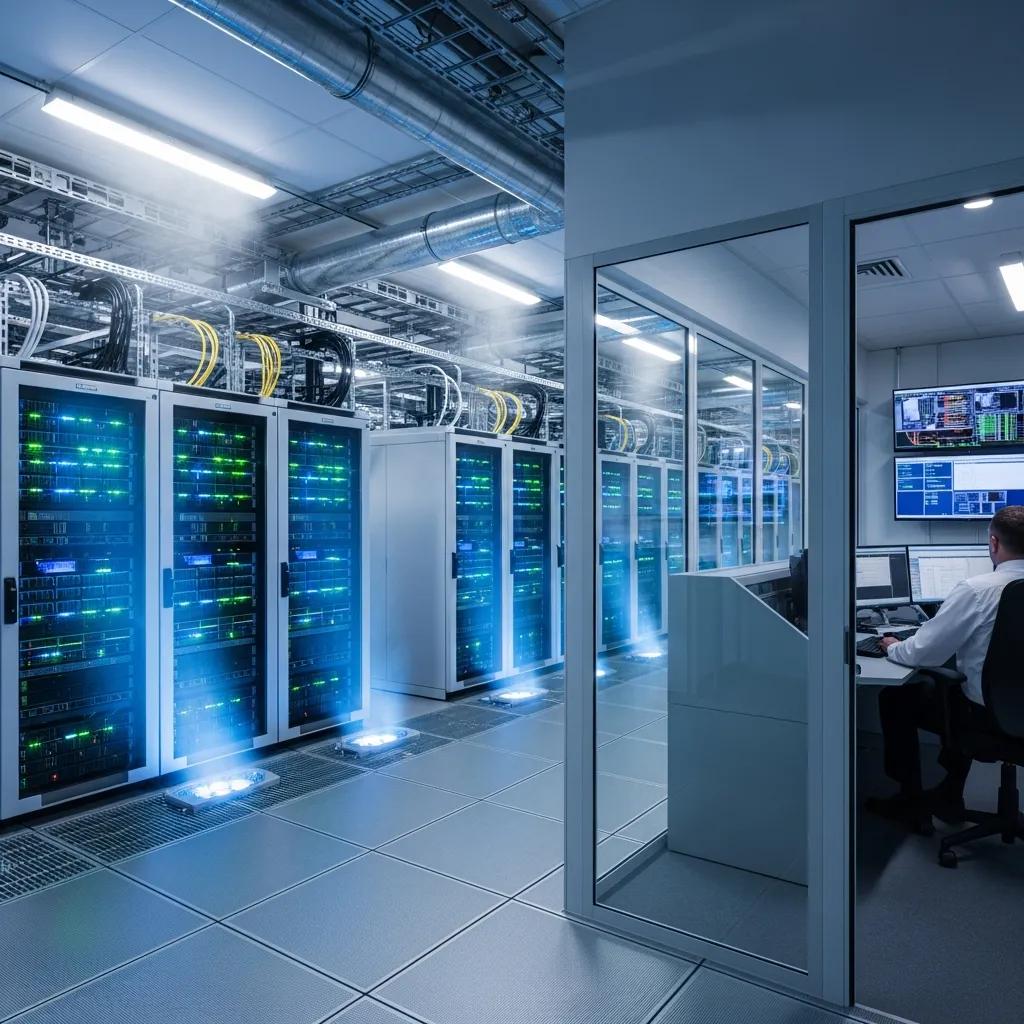
Data center colocation services involve renting space in a facility where businesses can place their servers and other hardware. This arrangement allows companies to benefit from the infrastructure, security, and connectivity of a professional data center without the need to build and maintain their own facilities. In Switzerland, colocation providers offer a range of services, including power management, cooling systems, and physical security measures, ensuring that clients’ equipment is protected and operational at all times.
Understanding the multifaceted elements, from internal operations to external regulations, is crucial for the successful construction and ongoing management of a colocation data center.
Critical Factors for Co-location Data Center Operation & Compliance
The results of constructing and operating a co-location data center showed two main themes, internal and external themes; under each theme, sub-themes clarify and explain the main themes—the internal theme, which includes the design of the location to ensure business continuity, operations of facilities, security, staff, and service level agreement operations, financial management, and company experience. At the same time, the external theme includes government regulations and standard certification.
The Critical Factors Affecting the Feasibility of the Construction and Operation of a Co-location Datacenter in Kuwait, W Abdallah, 2023
Deltalis is positioned as a premium provider of colocation data center services in Switzerland, focusing on delivering secure, reliable, and scalable infrastructure solutions. By leveraging advanced technology and expert management, Deltalis ensures that businesses can operate efficiently while minimizing downtime and maximizing performance.
[et_pb_heading title=”Definition and Benefits of Colocation Services” _builder_version=”4.9.7″ _module_preset=”default” title_level=”h2″ hover_enabled=”0″ sticky_enabled=”0″][/et_pb_heading]
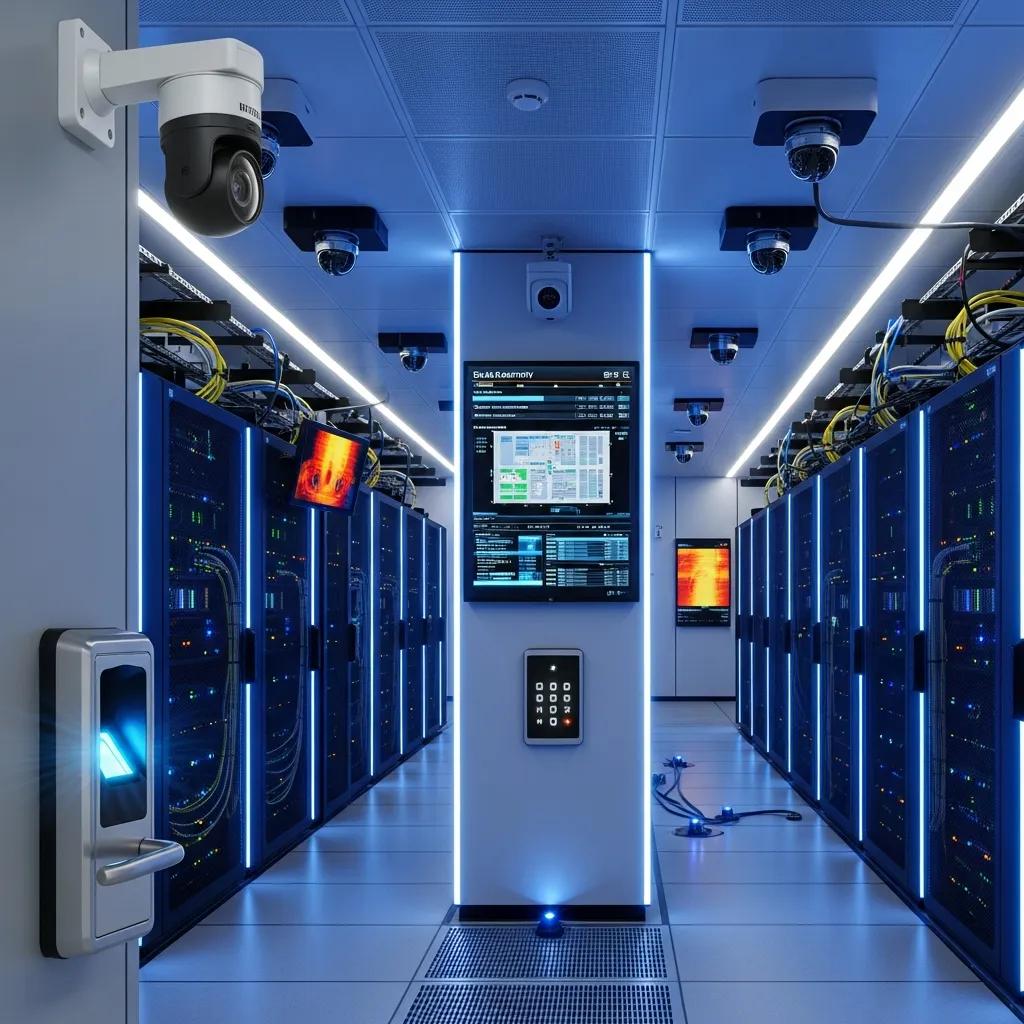
Colocation services provide businesses with a secure environment to house their IT equipment, offering several key benefits. Firstly, they reduce the capital expenditure associated with building and maintaining a private data center. Secondly, colocation facilities typically offer enhanced security features, including surveillance, access control, and fire suppression systems. Lastly, these services provide scalability, allowing businesses to easily expand their infrastructure as needed.
The cost-effectiveness of colocation services is particularly appealing to small and medium-sized enterprises (SMEs) that may not have the resources to invest in their own data centers. By utilizing colocation, these businesses can access high-quality infrastructure and support without the associated overhead costs.
[et_pb_heading title=”How Do Swiss Colocation Providers Ensure Security and Compliance?” _builder_version=”4.9.7″ _module_preset=”default” title_level=”h2″ hover_enabled=”0″ sticky_enabled=”0″][/et_pb_heading]
Swiss colocation providers prioritize security and compliance to protect their clients’ data and infrastructure. They implement a variety of measures, including physical security protocols, advanced fire suppression systems, and redundant power supplies. Additionally, many providers adhere to strict compliance standards, such as ISO 27001 and GDPR, ensuring that they meet international data protection regulations.
The complexities of legal compliance in data center outsourcing, especially across different jurisdictions, highlight the critical role providers play in supporting their clients’ regulatory adherence.
Legal Compliance for Cloud & Data Center Outsourcing
When organisations are outsourcing their data processing to clouds, the cloud providers have to support them in achieving legal compliance. This is particular challenging in globally distributed clouds where the data centres are located in multiple countries with different legislation. Here, the cloud providers have to implement technical constraints based on the legal requirements which apply individually for each cloud customer.
On location-determined cloud management for legally compliant outsourcing, B Doll, 2015
The importance of security in colocation cannot be overstated, as data breaches can have severe consequences for businesses. By choosing a reputable provider, companies can mitigate risks and ensure that their data remains secure.
[et_pb_heading title=”Key Security Standards and Certifications in Swiss Data Centers” _builder_version=”4.9.7″ _module_preset=”default” title_level=”h2″ hover_enabled=”0″ sticky_enabled=”0″][/et_pb_heading]
Swiss data centers are known for their commitment to high security standards and certifications. Some of the key certifications include:
- ISO 27001: This certification demonstrates a commitment to information security management systems, ensuring that data is protected through established protocols.
- GDPR Compliance: Adhering to the General Data Protection Regulation is crucial for businesses operating in Europe, as it mandates strict data protection measures.
- PCI DSS Compliance: For businesses handling payment information, compliance with the Payment Card Industry Data Security Standard is essential to protect sensitive data.
These certifications not only enhance the credibility of Swiss colocation providers but also provide clients with peace of mind regarding the security of their data.
[et_pb_heading title=”What Connectivity and Network Options Are Available in Swiss Premium Data Centers?” _builder_version=”4.9.7″ _module_preset=”default” title_level=”h2″ hover_enabled=”0″ sticky_enabled=”0″][/et_pb_heading]
Connectivity is a critical aspect of colocation services, as businesses require reliable and fast access to their data. Swiss premium data centers offer a variety of connectivity options, including:
- Direct Fiber Connections: Many providers offer direct fiber connections to major internet exchanges, ensuring low-latency access to global networks.
- Redundant Network Paths: To enhance reliability, colocation facilities often implement redundant network paths, minimizing the risk of downtime.
- Diverse Carrier Options: Clients can choose from multiple carriers, allowing them to select the best connectivity solutions for their specific needs.
These connectivity options are essential for businesses that rely on real-time data access and communication.
[et_pb_heading title=”How Hybrid Cloud Integration Enhances Colocation Services” _builder_version=”4.9.7″ _module_preset=”default” title_level=”h2″ hover_enabled=”0″ sticky_enabled=”0″][/et_pb_heading]
Hybrid cloud integration is a powerful feature of modern colocation services, allowing businesses to combine on-premises infrastructure with cloud resources. This approach offers several advantages:
- Scalability: Businesses can easily scale their IT resources up or down based on demand, ensuring they only pay for what they use.
- Flexibility: Hybrid cloud solutions provide the flexibility to choose the best environment for different workloads, optimizing performance and cost.
- Disaster Recovery: By integrating cloud resources, businesses can enhance their disaster recovery capabilities, ensuring data is backed up and accessible in case of an outage.
Deltalis offers hybrid cloud solutions that seamlessly integrate with their colocation services, providing clients with a comprehensive IT infrastructure that meets their evolving needs.
[et_pb_heading title=”How Are Pricing Models and Service Level Agreements Structured for Colocation in Switzerland?” _builder_version=”4.9.7″ _module_preset=”default” title_level=”h2″ hover_enabled=”0″ sticky_enabled=”0″][/et_pb_heading]
Pricing models for colocation services in Switzerland can vary significantly based on factors such as space, power requirements, and additional services. Common pricing structures include:
- Per Rack Pricing: Clients pay a fixed fee for each rack of equipment they occupy, which typically includes power and cooling.
- Power Usage Pricing: Some providers charge based on the amount of power consumed, allowing businesses to pay for only what they use.
- Service Level Agreements (SLAs): SLAs outline the expected performance and uptime guarantees, providing clients with assurance regarding service reliability.
Understanding these pricing models is crucial for businesses to make informed decisions about their colocation needs.
[et_pb_heading title=”Comparing Colocation Pricing Tiers and Packages” _builder_version=”4.9.7″ _module_preset=”default” title_level=”h2″ hover_enabled=”0″ sticky_enabled=”0″][/et_pb_heading]
When evaluating colocation services, businesses should consider the various pricing tiers and packages available. The following table compares different colocation service packages offered by providers in Switzerland:
This comparison highlights the range of options available, allowing businesses to select a package that aligns with their specific requirements and budget.
[et_pb_heading title=”Understanding Uptime Guarantees and SLA Commitments” _builder_version=”4.9.7″ _module_preset=”default” title_level=”h2″ hover_enabled=”0″ sticky_enabled=”0″][/et_pb_heading]
Uptime guarantees are a critical component of colocation services, as they directly impact business operations. Most providers offer SLAs that specify the expected uptime percentage, typically ranging from 99.9% to 99.999%. These guarantees ensure that clients can rely on their infrastructure for mission-critical applications.
SLA commitments also outline the provider’s responsibilities in the event of downtime, including compensation for affected clients. Understanding these guarantees is essential for businesses to assess the reliability of their chosen colocation provider.
[et_pb_heading title=”What Green and Sustainable Practices Are Adopted by Swiss Data Centers?” _builder_version=”4.9.7″ _module_preset=”default” title_level=”h2″ hover_enabled=”0″ sticky_enabled=”0″][/et_pb_heading]
Sustainability is becoming increasingly important in the data center industry, and Swiss providers are leading the way in adopting green practices. Key initiatives include:
- Energy Efficiency: Many data centers implement energy-efficient technologies, such as advanced cooling systems and renewable energy sources, to reduce their carbon footprint.
- Waste Reduction: Providers focus on minimizing waste through recycling programs and responsible disposal of electronic equipment.
- Sustainable Design: New data centers are often designed with sustainability in mind, incorporating features that enhance energy efficiency and reduce environmental impact.
These practices not only benefit the environment but also appeal to businesses looking to enhance their corporate social responsibility.
[et_pb_heading title=”Energy-Efficient Technologies and Certifications” _builder_version=”4.9.7″ _module_preset=”default” title_level=”h2″ hover_enabled=”0″ sticky_enabled=”0″][/et_pb_heading]
Energy-efficient technologies play a vital role in the sustainability of data centers. Some common technologies and certifications include:
- PUE (Power Usage Effectiveness): A metric used to measure the energy efficiency of a data center, with lower values indicating better efficiency.
- LEED Certification: The Leadership in Energy and Environmental Design certification recognizes buildings that meet high environmental standards.
- Renewable Energy Sources: Many data centers are increasingly powered by renewable energy, such as solar or wind, to further reduce their environmental impact.
These technologies and certifications demonstrate a commitment to sustainability and energy efficiency in the colocation industry.
[et_pb_heading title=”Impact of Sustainability on Colocation Service Quality” _builder_version=”4.9.7″ _module_preset=”default” title_level=”h2″ hover_enabled=”0″ sticky_enabled=”0″][/et_pb_heading]
The adoption of sustainable practices in colocation services can positively impact service quality. Energy-efficient data centers often experience lower operational costs, which can translate into more competitive pricing for clients. Additionally, sustainable practices can enhance the overall reliability of services, as providers invest in advanced technologies and infrastructure.
Furthermore, businesses that prioritize sustainability may find that their clients and stakeholders appreciate their commitment to environmental responsibility, enhancing their brand reputation.
[et_pb_heading title=”Which Case Studies and Customer Success Stories Highlight Premium Swiss Colocation Services?” _builder_version=”4.9.7″ _module_preset=”default” title_level=”h2″ hover_enabled=”0″ sticky_enabled=”0″][/et_pb_heading]
Several case studies illustrate the effectiveness of premium colocation services in Switzerland. For instance, a leading financial institution successfully migrated its infrastructure to a colocation facility, resulting in improved uptime and reduced operational costs. The institution reported a significant decrease in IT expenses while enhancing its disaster recovery capabilities.
Another example involves a technology startup that leveraged colocation services to scale its operations rapidly. By utilizing a flexible colocation package, the startup was able to expand its infrastructure without significant upfront investment, allowing it to focus on innovation and growth.
[et_pb_heading title=”Recent Enterprise Deployments and Outcomes” _builder_version=”4.9.7″ _module_preset=”default” title_level=”h2″ hover_enabled=”0″ sticky_enabled=”0″][/et_pb_heading]
Recent deployments in Swiss colocation facilities have demonstrated the effectiveness of these services in supporting enterprise-level operations. Companies across various sectors, including finance, healthcare, and technology, have successfully migrated their infrastructure to colocation facilities, resulting in improved performance and reliability.
These deployments often highlight the importance of hybrid cloud integration, as businesses seek to optimize their IT resources and enhance their operational efficiency. The outcomes of these deployments underscore the value of premium colocation services in today’s competitive landscape.
[et_pb_heading title=”How Deltalis Exemplifies Premium Colocation Excellence” _builder_version=”4.9.7″ _module_preset=”default” title_level=”h2″ hover_enabled=”0″ sticky_enabled=”0″][/et_pb_heading]
Deltalis stands out as a leader in the Swiss colocation market, offering a range of services designed to meet the needs of businesses of all sizes. With a focus on security, reliability, and scalability, Deltalis provides clients with the infrastructure necessary to thrive in a digital-first world.
The company’s commitment to customer satisfaction is evident in its tailored solutions and responsive support. By leveraging advanced technologies and best practices, Deltalis exemplifies the excellence that defines premium colocation services in Switzerland.