
Discover Premium Colocation Services

by

[et_pb_heading title=”Discover Premium Colocation Services: Comprehensive Guide to Data Center Solutions and Benefits” _builder_version=”4.9.7″ _module_preset=”default” title_level=”h2″ hover_enabled=”0″ sticky_enabled=”0″][/et_pb_heading]

In the digital age, businesses increasingly rely on robust IT infrastructure to support their operations. Premium colocation services offer a strategic solution for companies seeking to enhance their data management capabilities while ensuring security and reliability. This comprehensive guide will delve into the intricacies of premium colocation services, exploring their benefits, security measures, connectivity options, and more. As organizations face challenges such as data security and scalability, understanding the advantages of colocation can provide a competitive edge. We will cover essential topics, including the overview of colocation services, their benefits, security and compliance standards, connectivity options, hybrid cloud integration, pricing models, and sustainability practices.

[et_pb_heading title=”Comprehensive Guide to Premium Colocation Services” _builder_version=”4.9.7″ _module_preset=”default” title_level=”h2″ hover_enabled=”0″ sticky_enabled=”0″][/et_pb_heading]

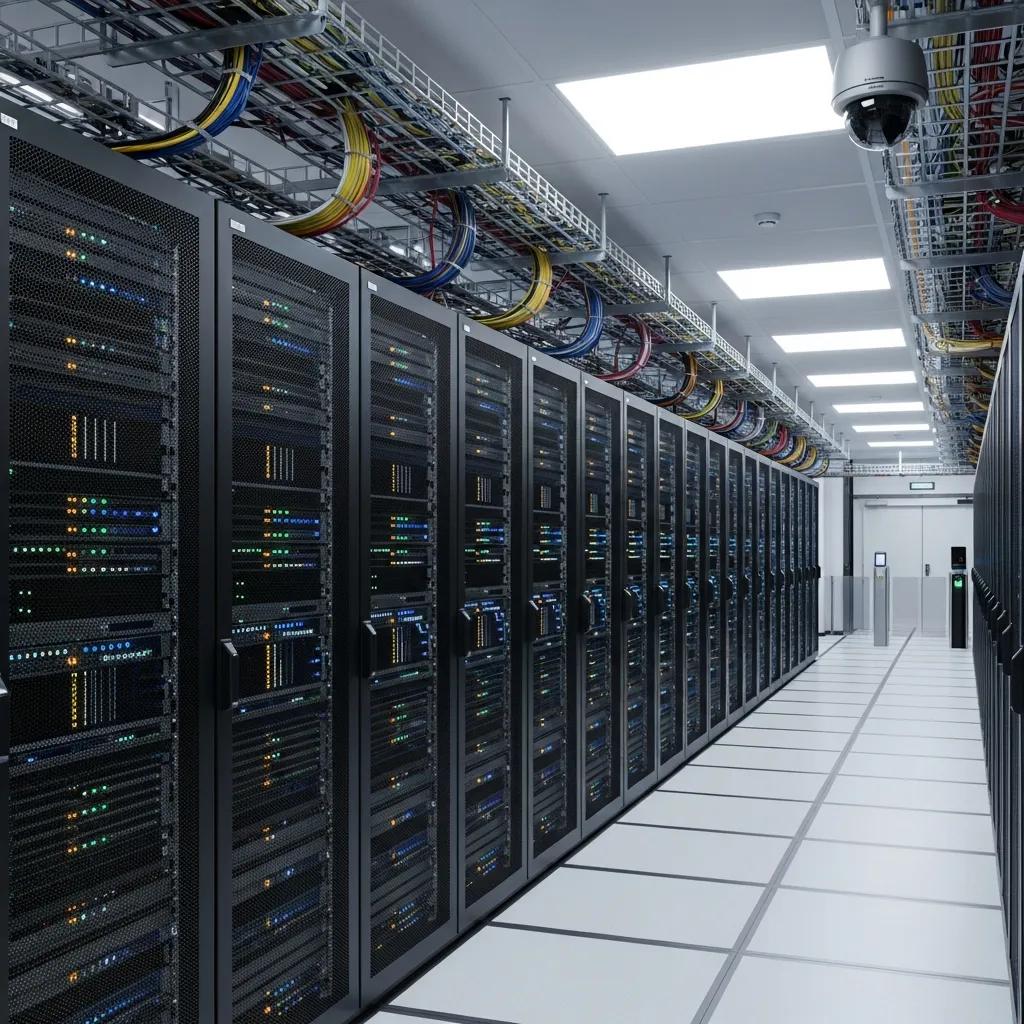
Premium colocation services involve the housing of servers and other computing hardware in a third-party data center. This arrangement allows businesses to leverage professional infrastructure without the need for significant capital investment in physical facilities. By utilizing colocation, companies can ensure their data is stored in a secure environment with access to advanced technology and support. This guide will provide insights into the various aspects of premium colocation services, helping businesses make informed decisions about their IT infrastructure.

The successful implementation and operation of such a data center involve numerous critical internal and external factors, from design to compliance.

Critical Factors for Colocation Data Center Operations

This study explores the critical factors affecting the construction and operation of the co-location data center in the Kuwaiti market. The results of constructing and operating a co-location data center showed two main themes, internal and external themes; under each theme, sub-themes clarify and explain the main themes—the internal theme, which includes the design of the location to ensure business continuity, operations of facilities, security, staff, and service level agreement operations, financial management, and company experience. At the same time, the external theme includes government regulations and standard certification.

The Critical Factors Affecting the Feasibility of the Construction and Operation of a Co-location Datacenter in Kuwait, W Abdallah, 2023

[et_pb_heading title=”1. Overview of Colocation Services” _builder_version=”4.9.7″ _module_preset=”default” title_level=”h3″ hover_enabled=”0″ sticky_enabled=”0″][/et_pb_heading]

Colocation services refer to the practice of renting space in a data center to house servers and networking equipment. This model allows businesses to maintain control over their hardware while benefiting from the data center’s infrastructure, including power, cooling, and security. By colocating their servers, companies can ensure high availability and reliability, as data centers are designed to provide optimal conditions for IT equipment. Additionally, colocation services often include access to redundant power supplies and high-speed internet connections, further enhancing operational efficiency.

This integrated approach is crucial, especially when various systems require close proximity for optimal functionality and data exchange.

Colocation for Integrated System Requirements

Integration requirements: Where a series of systems are tightly integrated, they may need to be located in the same data. Cloud, co-location, on-premises and hybrid disaster recovery solutions: Pros, cons, and a cost comparison, 2019

[et_pb_heading title=”2. Benefits of Colocation Services” _builder_version=”4.9.7″ _module_preset=”default” title_level=”h3″ hover_enabled=”0″ sticky_enabled=”0″][/et_pb_heading]

The advantages of utilizing premium colocation services are numerous and can significantly impact a business’s operational efficiency and security posture. Key benefits include:

  1. Cost-Effectiveness: Colocation eliminates the need for businesses to invest in their own data center infrastructure, reducing capital expenditures.
  2. Enhanced Security: Data centers implement stringent security measures, including physical security protocols and compliance with industry regulations, to protect sensitive information.
  3. Scalability: Colocation allows businesses to easily scale their IT resources as needed, accommodating growth without the constraints of physical space.
For organizations looking to optimize their IT infrastructure, premium colocation services from Information Hub can provide tailored solutions that meet specific business needs.

[et_pb_heading title=”3. Security and Compliance” _builder_version=”4.9.7″ _module_preset=”default” title_level=”h3″ hover_enabled=”0″ sticky_enabled=”0″][/et_pb_heading]

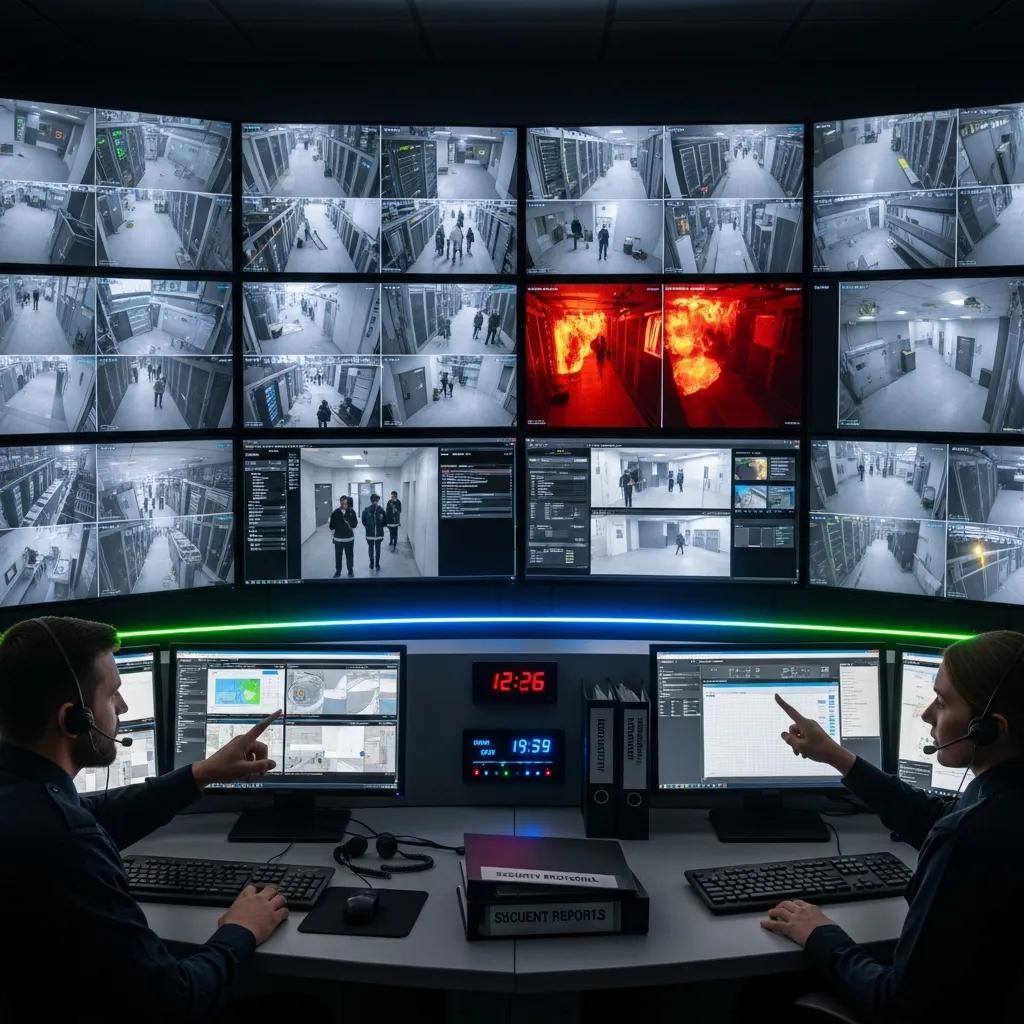
Security is a paramount concern for businesses, especially when it comes to sensitive data. Premium colocation services offer robust security measures to protect against unauthorized access and data breaches. Data centers typically employ advanced physical security protocols, including surveillance cameras, access control systems, and on-site security personnel. Additionally, compliance with industry regulations, such as GDPR and HIPAA, ensures that businesses meet necessary legal requirements for data protection. By choosing a reputable colocation provider, organizations can enhance their security posture and mitigate risks associated with data management.

Beyond general security measures, specific strategies are often employed to mitigate risks like co-location attacks while balancing performance and resource utilization.

Mitigating Colocation Risks: QoS and Security

co-location attacks with joint consideration of multi objectives like QoS, data center utilization, energy consumption, and security

Multi-Criteria Optimization Based VM Placement Strategy to Mitigate Co-Location Risks in Data Centers, V Enireddy, 2022

[et_pb_heading title=”4. Connectivity Options” _builder_version=”4.9.7″ _module_preset=”default” title_level=”h3″ hover_enabled=”0″ sticky_enabled=”0″][/et_pb_heading]

Connectivity is a critical aspect of colocation services, as it directly impacts the performance and reliability of IT operations. Premium colocation facilities offer a variety of connectivity options, including:

  • Direct Fiber Connections: High-speed fiber connections provide low-latency access to the internet and other networks.
  • Redundant Network Paths: Multiple network connections ensure continuous uptime, even in the event of a failure.
  • Diverse Carrier Options: Access to various telecommunications carriers allows businesses to choose the best connectivity solutions for their needs.

These connectivity features enable organizations to maintain seamless operations and enhance their overall IT performance.

[et_pb_heading title=”5. Hybrid Cloud Integration” _builder_version=”4.9.7″ _module_preset=”default” title_level=”h3″ hover_enabled=”0″ sticky_enabled=”0″][/et_pb_heading]

Hybrid cloud integration is becoming increasingly important for businesses seeking flexibility and scalability in their IT infrastructure. Premium colocation services facilitate hybrid cloud solutions by allowing organizations to combine on-premises resources with cloud services. This approach enables businesses to optimize their workloads, ensuring that critical applications run in the most suitable environment. The benefits of hybrid cloud integration include:

  • Scalability: Businesses can easily scale their resources up or down based on demand.
  • Flexibility: Organizations can choose the best environment for each application, whether on-premises or in the cloud.
  • Disaster Recovery Capabilities: Hybrid solutions provide enhanced disaster recovery options, ensuring business continuity in the event of an outage.
[et_pb_heading title=”6. Pricing Models and Service Level Agreements (SLAs)” _builder_version=”4.9.7″ _module_preset=”default” title_level=”h3″ hover_enabled=”0″ sticky_enabled=”0″][/et_pb_heading]

Understanding the pricing models and service level agreements (SLAs) associated with premium colocation services is essential for businesses. Common pricing structures include:

  • Per Rack Pricing: Businesses pay a fixed rate for each rack of equipment housed in the data center.
  • Power Usage Pricing: Charges are based on the amount of power consumed by the equipment.
  • SLA Guarantees: Service level agreements outline the expected uptime and performance metrics, providing assurance to clients.

These pricing models allow businesses to select the most suitable option based on their specific needs and budget.

Pricing ModelDescriptionTypical Cost
Per Rack PricingFixed rate for each rack of equipmentVaries by provider
Power Usage PricingCharges based on power consumptionVaries by usage
SLA GuaranteesOutlines uptime and performance metricsVaries by agreement

This table illustrates the different pricing models available for premium colocation services, helping businesses make informed decisions.

[et_pb_heading title=”7. Sustainability Practices” _builder_version=”4.9.7″ _module_preset=”default” title_level=”h3″ hover_enabled=”0″ sticky_enabled=”0″][/et_pb_heading]

Sustainability is an increasingly important consideration for businesses, and premium colocation services are no exception. Many data centers are adopting sustainable practices to minimize their environmental impact. Key sustainability initiatives include:

  • Energy Efficiency: Implementing energy-efficient technologies and practices to reduce power consumption.
  • Waste Reduction: Minimizing waste through recycling and responsible disposal of electronic equipment.
  • Sustainable Design: Constructing data centers with environmentally friendly materials and designs.

By choosing a colocation provider that prioritizes sustainability, businesses can contribute to environmental conservation while benefiting from efficient IT solutions.

About Brian